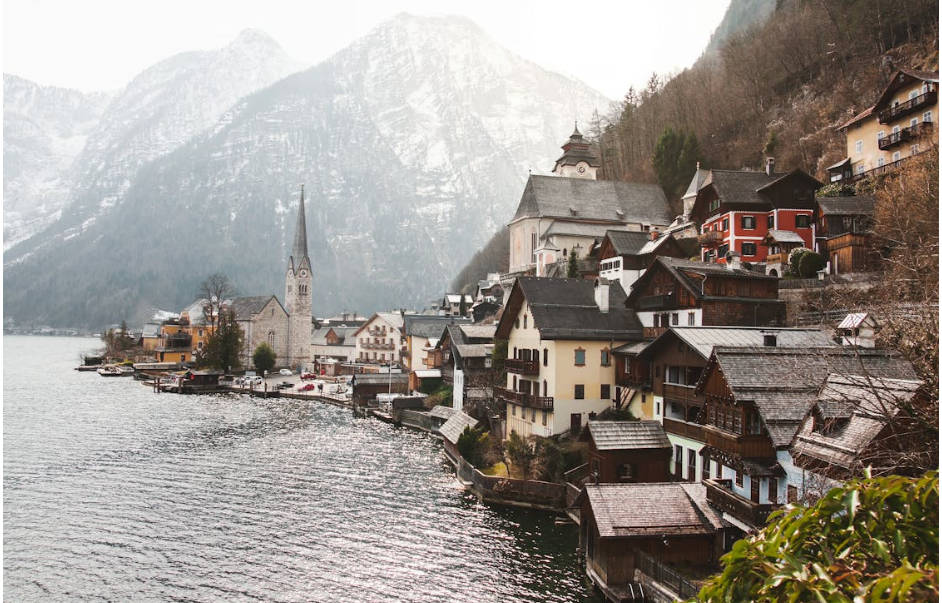
Austria doesn’t just attract visitors. It pulls them back, repeatedly, almost magnetically. Look past the ski slopes and schnitzel, and you’ll find that the Austrian lifestyle runs considerably deeper than its postcard image suggests. It’s shaped by an honest commitment to quality living, an appreciation for slow enjoyment, and a social culture that somehow manages to feel private and warmly communal at the same time.
Whether you’re passing through or seriously considering a longer stay, genuinely understanding how daily life operates here will change your experience in ways you won’t expect.
In 2024, Austrian tourism recorded 154.29 million nights spent, exceeding the 150 million mark for the third time. That’s no accident. It reflects something durable about how Austria consistently delivers across its regions, its seasons, and its quieter everyday moments.
One practical thing worth sorting before you arrive: reliable mobile connectivity. It matters more than most travelers anticipate. Before you leave home, take time to find the best esim for Austria. You’ll thank yourself when you’re navigating regional rail timetables, hunting down a local market, or scrambling to book a last-minute concert ticket without hunting for Wi-Fi.
The Core Values Behind Austrian Culture
Austrian culture isn’t an abstract concept. It shows up in the details, the small, predictable rhythms of an ordinary Tuesday. Understand the values first, and everything else starts making sense.
Lebensqualität: A Standard, Not a Slogan
Austria consistently ranks among Europe’s most livable cities, and residents take that standing seriously. Work contracts are clearly structured. Schedules are predictable. Labor protections actually hold.
You’ll feel it almost immediately, buses arrive on time, shops keep consistent hours, and residential streets go genuinely quiet after 10 p.m. It’s not an accident. It’s infrastructure is built around the idea that daily life should function well.
Gemütlichkeit: Slow Enjoyment as a Discipline
Gemütlichkeit sits at Austria’s emotional core. The word describes a cozy, unhurried ease that surfaces in long coffeehouse afternoons, Christmas market evenings, and Sunday lunches that stretch well past reasonable. Austrians work hard, don’t misread this. But leisure gets the same focused respect as productivity. Nobody rushes a Melange. Nobody apologizes for a three-hour lunch. That balance is intentional, and it shows.
Politeness, Privacy, and the Social Rulebook
Austrian traditions around courtesy run deep. A proper greeting, “Grüß Gott” or “Servus” depending on the region, signals awareness and respect. Formal address (Sie, professional titles) isn’t stiffness; it’s consideration.
Newcomers sometimes interpret this as emotional distance, but they’re reading it wrong. It’s structure, not coldness. Once you learn the rhythm, trust develops faster than you’d expect.
How Life in Austria Varies by Region
Despite its relatively small size, life in Austria shifts dramatically depending on where you actually are.
Vienna: Marble Tables, Trams, and Dry Wit
Vienna’s coffeehouse culture holds UNESCO intangible heritage status, and entirely deserves it. Sitting for hours with a single coffee and a borrowed newspaper isn’t nostalgia here. It’s just Tuesday afternoon.
The city operates on a tram and U-Bahn network so reliable that car ownership among locals is genuinely rare. In 2024, 75% of Vienna residents made their journeys by eco-friendly means, with car traffic hitting its lowest recorded point (wien.gv.at). The result: calmer streets, walkable neighborhoods, and a city that rewards people who slow down.
Alpine Village Life: The Mountains Are the View
In Tyrol, Salzburg, and Vorarlberg, the mountains aren’t a weekend retreat, they’re the literal backdrop outside your kitchen window. Seasonal rhythms run the calendar.
Ski season flows into hiking season. Autumn brings the Almabtrieb, the traditional procession of decorated cattle returning from alpine pastures, complete with flowers and cowbells. It’s genuinely moving if you catch it.
Graz, Linz, and Innsbruck: Mid-Sized, Full of Character
Austria’s secondary cities each carry their own personality. Graz has a relaxed, almost Mediterranean quality and a strong student presence. Linz transformed its industrial history into a digital arts identity through Ars Electronica, an unlikely evolution that worked. Innsbruck is essentially inside the mountains, making an active outdoor life almost unavoidable.
Austria’s travel lifestyle shifts noticeably between these cities. Nightlife, dialect, transport options, all of it changes within an hour’s drive. For travelers and remote workers moving between regions, staying connected is key, which is why choosing the best esim for austria can make navigating the country far more seamless
The Everyday Rhythms You’ll Quickly Appreciate
Daily routines in Austria follow a quiet logic. Visitors often grow to appreciate it fast, and miss it longer after they leave.
Work Hard, Then Actually Switch Off
Full-time employment here is contract-driven, frequently backed by strong collective agreements. Austrians use their vacation time without guilt. They ski. They book spa weekends. They disappear to thermal baths over long weekends without checking emails. Sunday closures aren’t outdated inconveniences, they’re deliberately protected quiet time, and locals will defend them.
The Wirtshaus and Why Food Matters
The traditional daily rhythm moves through Frühstück (breakfast), Mittagessen (a warm midday meal), Jause (an afternoon snack), and a lighter supper. The Wirtshaus, a neighborhood pub, functions as a genuine social anchor. You don’t bar-hop. You settle in, order something warm, and stay. Responsible drinking is woven into Austrian traditions, particularly around seasonal festivals and après-ski culture, in ways that feel communal rather than excessive.
Shared Spaces and Quiet Expectations
Recycling isn’t optional, it’s embedded infrastructure. Noise on public transit is genuinely frowned upon. Apartment building rules (Hausordnung) cover everything from shoe storage to acceptable music hours. Following these codes signals respect for shared life. That’s really all it is.
Festivals and Traditions That Define Austrian Culture
No honest guide to Austrian culture skips the festive calendar.
Christkindlmärkte fill nearly every town square through winter. Krampuslauf, demon-masked processions, still genuinely unsettle newcomers every December. Ball season runs through January and February, bringing formal dances, strict dress codes, and midnight quadrilles that participants take seriously, and rightly so.
Standing tickets at the Vienna State Opera cost under €10. Open-air concerts happen regularly. Music in Austria isn’t an elite experience, it’s community infrastructure.
Frequently Asked Questions
Is the work-life balance as real as advertised?
Yes, but the two modes don’t blur. Austrians are genuinely disciplined professionals who switch off completely after hours. Both modes coexist cleanly, which is precisely why the system feels sustainable.
How does Austria compare with Germany or Switzerland?
Warmer in social tone than Germany, more affordable than Switzerland, and with a notably strong regional identity. A Viennese and a Tyrolean share a passport, but not always a dialect, a worldview, or an opinion about the proper way to make Knödel.
What is the biggest cultural adjustment newcomers experience when living in Austria?
One of the biggest adjustments is adapting to Austria’s structured balance between public order and private life. Newcomers are often surprised by how seriously Austrians follow social rules, like strict quiet hours, formal greetings, and Sunday shop closures. At first, this can feel rigid or distant. However, over time, many people come to appreciate that these norms create a predictable, respectful environment where work, leisure, and personal space are clearly separated.
Austria’s Quietly Extraordinary Way of Living
Austrian lifestyle earns its reputation through consistency, not spectacle. Order and Gemütlichkeit aren’t contradictions, they’re partners.
Whether you’re visiting for a week or building an entirely new chapter of life here, Austria rewards people who slow down long enough to actually notice what’s happening around them.
It isn’t performing culture for tourists. It’s simply living it, and that authenticity, more than anything else, is precisely why so many people keep finding reasons to return.