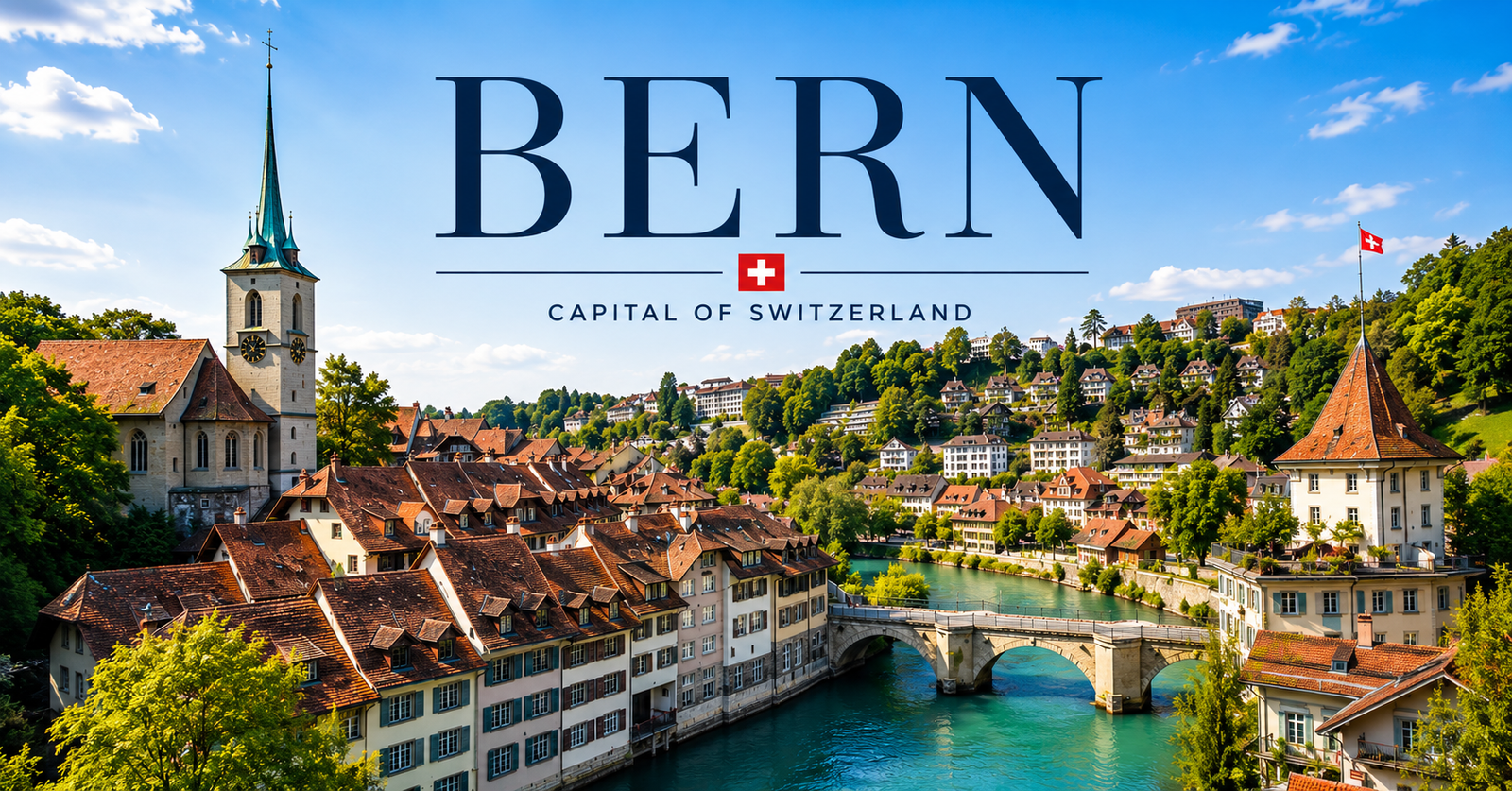
If you’ve ever planned a Swiss trip, chances are your itinerary looked like this: Zurich, Lucerne, maybe Interlaken if you’re feeling adventurous. And somewhere in that list, you completely skip a tiny medieval city on a river bend even though it’s the actual capital of the country.
That city is Bern. And honestly? It might be the most charming stop you never planned to make.
Bern doesn’t try hard to impress you. It doesn’t have Zurich’s glossy shopping streets or Lucerne’s postcard mountain backdrop. What it has instead is something quieter sandstone arcades that have survived 800 years, a river locals actually swim in on their lunch break, and a slow, unbothered pace that makes you want to stay longer than you planned. This guide covers everything you need to know before you go: when to visit, what to actually do, how many days you need, and whether Bern deserves a spot on your Switzerland itinerary at all.
What Is Bern Actually Known For?
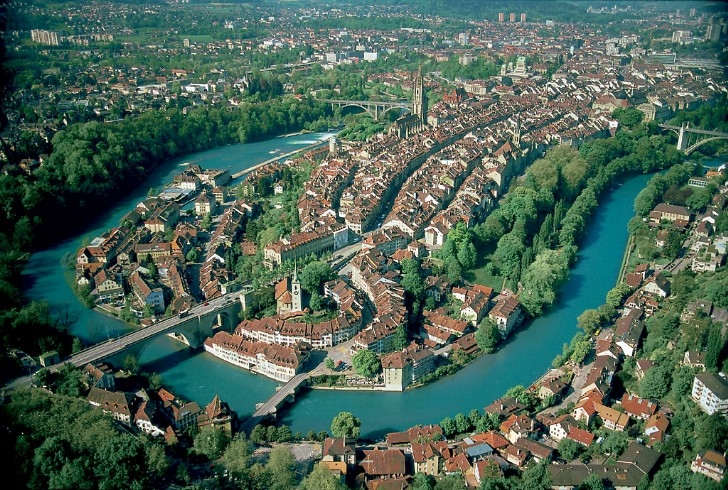
Bern is the federal capital of Switzerland, sitting on a dramatic bend of the Aare River in the country’s German-speaking region. Its Old Town (Altstadt) is a UNESCO World Heritage Site — one of the best-preserved medieval city centres in Europe, with cobbled streets, sandstone facades, and nearly four miles of covered arcades that let you shop or wander in the rain without ever opening an umbrella.
Also Read: Bathgate Linlithgow: Exploring Two Historic Towns in West Lothian
It’s also the city where Albert Einstein lived while developing his theory of relativity, home to real brown bears living in a riverside park, and famous locally for a summer tradition where residents float down the Aare River in the middle of the workday — yes, in their work clothes, or without them.
In short: Bern is history, nature, and slightly odd Swiss charm, all packed into a city small enough to walk across in twenty minutes.
Best Time to Visit Bern
The short answer: late spring through early autumn (May to September) is when Bern is at its best, with warm days, long daylight hours, and the Aare River warm enough to swim in.
That said, every season here has something going for it, and Bern doesn’t get the crushing crowds you’d find in Zurich or Lucerne, even in peak summer.
| Season | Weather | Best For | Watch Out For |
|---|---|---|---|
| Spring (Mar–May) | 8–15°C, occasional rain | Fewer crowds, blooming Rosengarten park, Bern Grand Prix marathon | Cooler evenings, pack layers |
| Summer (Jun–Aug) | 18–28°C, mostly dry | Aare River swimming, Gurtenfestival, outdoor terraces, long daylight | Peak tourist season, book hotels early |
| Autumn (Sep–Nov) | 6–14°C, crisp air | Farmers’ markets, fewer tourists, the quirky Zibelemärit onion festival | Rain increases, days get shorter |
| Winter (Dec–Feb) | Around or below freezing | Christmas markets, cozy old-town cafés, snow-dusted rooftops | Cold, some outdoor attractions close early |
If you want warm weather and festival energy, go in summer. If you’d rather have the Old Town mostly to yourself and don’t mind a jacket, spring or autumn is honestly the smarter move — hotel prices tend to drop 15–20% outside peak summer months too.
Top Things to Do in Bern
1. Wander the UNESCO Old Town
This is Bern’s headline act, and it costs nothing. The Altstadt is packed with sandstone buildings, quiet courtyards, and those famous arcades — just walk, get a little lost, and let the city do the work.
2. Watch the Zytglogge Clock Tower Do Its Thing
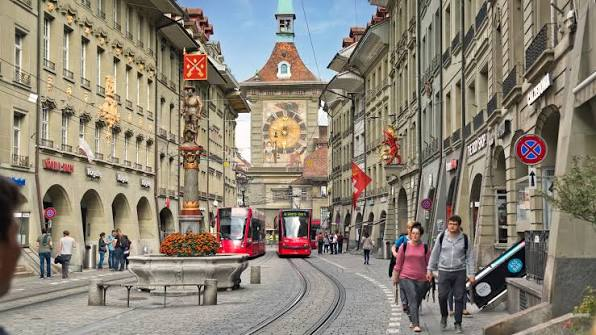
The Zytglogge is Bern’s oldest monument, an astronomical clock tower dating back centuries. A few minutes before every hour, mechanical figures — including a rooster and a jester — put on a short performance that’s been delighting visitors for generations.
3. Meet the Bears at Bear Park
Bern’s coat of arms literally has a bear on it, and the city has kept real brown bears near the river for centuries. Today they live in a much more humane, naturalistic riverside enclosure called the BärenPark, right along the Aare.
4. Visit Einstein’s Actual Apartment
Einstein House, tucked above a café on Kramgasse, is the modest apartment where he lived while working out the theory of relativity. It’s small, a little humbling, and genuinely worth the twenty minutes it takes to walk through.
5. Climb Bern Minster (Berner Münster)
Switzerland’s tallest cathedral has 344 steps leading to a viewing platform, and on a clear day, you can see the Old Town rooftops stretching out below with the Alps on the horizon. It’s a workout, but it’s the best view in the city.
6. Float Down the Aare River
In summer, this isn’t just a tourist activity — it’s how locals commute, relax, and cool off. The river is clean, cold, and genuinely swimmable, with several public spots (like the Marzili pool area) to get in and out safely.
7. Catch the View from Rosengarten
This rose garden sits on a hill overlooking the Old Town and river, and it’s free, peaceful, and one of the best sunset spots in the city.
How Many Days Do You Need in Bern?
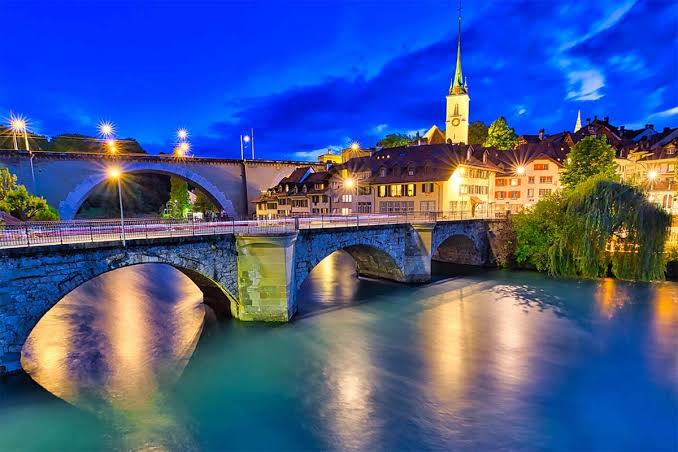
Two days is the sweet spot for most travelers. That’s enough time to properly explore the Old Town, visit a couple of museums, climb the Minster, and relax by the river without rushing.
If you want to use Bern as a base for day trips — to Interlaken, Grindelwald, or the Jungfraujoch region — plan for three to four days instead. Bern’s central location in Switzerland actually makes it a genuinely convenient home base, not just a quick stopover.
Getting Around Bern
Bern is refreshingly walkable — most of the major sights in the Old Town are within a 15–20 minute walk of each other. For anything further out:
- Bernmobil runs the city’s tram and bus network, and it’s efficient and easy to use.
- A BernCard (often included with certain hotel bookings) gives you free public transport plus discounts on museums and attractions.
- Bern also offers a free public bike-share option in warmer months, which is a nice way to see more of the city without relying on transit.
Where to Eat in Bern
Swiss food in Bern leans hearty and comforting — think rösti, fondue, and Berner Platte (a traditional meat and sauerkraut dish). The city is also dotted with small bakeries in those famous arcades, perfect for grabbing a coffee and pastry while you people-watch. If you’re visiting in colder months, a warm bowl of cheese fondue in an Old Town restaurant is about as classically Swiss as it gets.
Is Bern Worth Visiting?
Yes — without much hesitation. Bern isn’t trying to be a flashy, must-see blockbuster destination, and that’s exactly its appeal. It’s a city where you can slow down, actually enjoy your trip instead of rushing between checklist attractions, and still walk away having seen something genuinely historic and beautiful.
It’s not going to out-mountain the Swiss Alps or out-shop Zurich, and it doesn’t need to. Bern works well both as a relaxed city break on its own and as a central, practical base for exploring the rest of Switzerland.
Also Read: State Wide Area Network Complete Guide to Modern Connectivity
Practical Travel Tips for Bern
- Currency: Swiss Franc (CHF), not Euro — even though Switzerland borders EU countries.
- Visa: EU/EEA citizens can travel freely. Visa-exempt nationals (US, UK, Canada, and others) don’t need a visa for stays up to 90 days, though an ETIAS travel authorization is expected to apply from later in 2026.
- Safety: Bern is considered very safe, even relative to other major Swiss cities, though standard travel precautions still apply.
- Language: Swiss German is the everyday spoken language, but English is widely understood in tourist areas.
Key Takeaways
- Bern is Switzerland’s capital and a UNESCO World Heritage Old Town, often overlooked in favor of Zurich or Lucerne.
- May to September is the best time to visit, with June to August ideal for warm weather and river swimming.
- Two days is enough for a solid visit; three to four days works well if you’re using Bern as a base for day trips.
- Free activities — the Old Town, Rosengarten, and Bear Park — make Bern a genuinely budget-friendly Swiss destination.
- The city is compact, walkable, and low-stress compared to Switzerland’s bigger tourist hubs.
FAQs
Is Bern the capital of Switzerland?
Despite Zurich being larger and more internationally recognized, Bern is Switzerland’s federal capital and seat of government.
Is Bern expensive to visit?
Switzerland overall is pricey, but Bern is generally considered more affordable than Zurich or Geneva, especially with free attractions like the Old Town, Rosengarten, and Bear Park.
How many days should I spend in Bern?
Two days is ideal for the main sights. Add extra days if you want to use Bern as a base for day trips to the Swiss Alps or nearby lakes.
Can you swim in the river in Bern?
Yes swimming in the Aare River is a beloved local summer tradition, with public entry and exit points along the water for safety.
Is Bern safe for tourists, including solo travelers?
Yes, Bern is considered one of Switzerland’s safer cities, with low crime rates and a relaxed atmosphere, though usual travel precautions still apply.
What is Bern famous for?
Bern boasts a UNESCO-listed medieval Old Town, the Zytglogge clock tower, resident bears, and the apartment where Einstein developed his theory of relativity.
For more updates visit: STORY VISTA