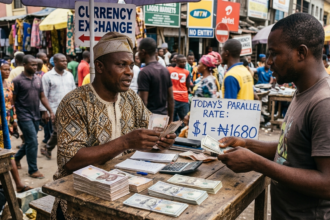
The Nigerian naira is probably the most-watched currency in Africa right now — and for good reason. Whether you’re sending money home to Lagos, running a business that imports goods priced in dollars, or just trying to understand why your grocery bill keeps creeping up, the dollar-to-naira rate touches nearly every corner of Nigerian life.
Here’s everything that matters right now: the current rate, why there are two different numbers floating around, the wild recent history, and how to get the best deal when you actually need to convert.
What Is the USD to Naira Rate Today?
As of July 25, 2026, there are two rates you need to know and they’re not the same.
The official rate, published through the Nigerian Foreign Exchange Market (NFEM) and overseen by the Central Bank of Nigeria (CBN), sits at approximately ₦1,369–₦1,380 per US dollar. This is the rate used by banks, large corporations, and formal financial transactions.
The parallel market rate — often called the black market or aboki rate — is running at around ₦1,415 per dollar today. This is what street-level currency dealers and many informal businesses quote.
That gap of roughly ₦35–₦45 between the two rates might sound small, but on a $1,000 transfer, it means a difference of ₦35,000–₦45,000 in your pocket. Worth paying attention to.
Quick reference table:
| Market | Rate (July 25, 2026) |
|---|---|
| Official (NFEM/CBN) | ~₦1,369–₦1,380 |
| Parallel (Black Market) | ~₦1,415 |
| GBP to Naira (parallel) | ~₦1,900 |
| EUR to Naira (parallel) | ~₦1,630 |
Rates update daily and can shift several naira in either direction within a single trading session.
Why Are There Two Rates?
This is the question everyone asks, and the answer involves decades of Nigerian monetary policy packed into a few paragraphs.
For years, Nigeria’s government kept the naira artificially strong through heavy CBN intervention. It created multiple exchange rate “windows” — different official rates for different types of transactions. The result? A massive gap between the official rate and the real market price, and a thriving informal economy where dollars traded at a significant premium.
Read More: The Naira to USD Rate in 2026 What It Is, Why It Moves, and What It Means for You
In June 2023, President Bola Tinubu’s administration ended that system. The CBN unified all the exchange rate windows under a single market — the NFEM — and let the naira float closer to its true market value. The currency fell from around ₦460 per dollar almost overnight to over ₦760, eventually sliding past ₦1,500 by early 2024.
The parallel market still exists because dollar demand often exceeds what banks can officially supply. When importers, students paying overseas tuition, or individuals with urgent forex needs can’t access dollars through the formal system quickly enough, they turn to parallel dealers. That’s why the gap persists — though it’s narrower now than it was in 2023.
How Did the Naira Get Here? A Brief History
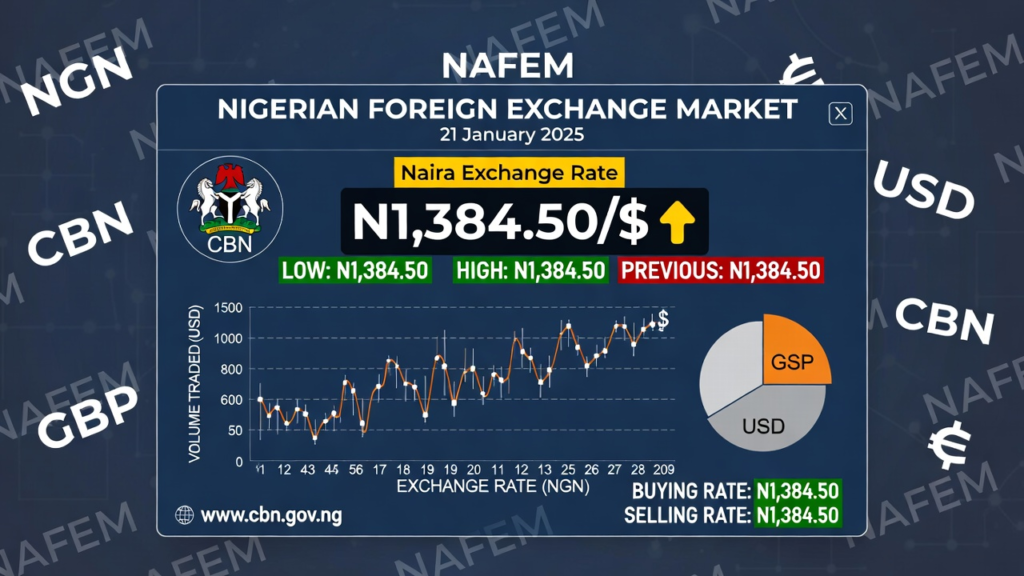
Understanding where the naira is today means understanding just how dramatic the last few years have been.
Before 2023: The naira traded at roughly ₦450–₦460 to the dollar in the official market, while the black market quoted closer to ₦750–₦800. The CBN propped up that gap through regular market interventions.
2023 (the big shift): Tinubu’s government removed the fuel subsidy — which had cost Nigeria billions annually — and unified the exchange rate windows in one move. The naira fell by more than 50% in a matter of months.
2024 (the rough year): Bloomberg ranked the naira the worst-performing currency globally in 2024. It shed roughly 70% of its value against the dollar across the year, briefly touching ₦1,738 in the official market and close to ₦1,900 in the parallel market. Inflation surged, food prices doubled for many families, and several multinational companies exited Nigeria altogether.
2025–2026 (partial recovery): A combination of aggressive CBN monetary tightening — the Monetary Policy Rate hit 27.5% in 2025, one of the highest in Africa — alongside improved oil revenues and clearing of a $7 billion forex backlog began to stabilise things. By mid-2026, the naira has settled into a relatively narrow ₦1,350–₦1,430 range, still volatile but no longer in freefall.
Read More: Naira to Dollar Black Market Rate What You Need to Know
That’s a significant improvement, even if it’s cold comfort for Nigerians whose purchasing power took a historic hit over those two years.
What’s Moving the Rate Right Now?
Several factors push the naira higher or lower on any given day:
Oil prices and production: Nigeria remains heavily dependent on crude oil exports for foreign currency earnings. Any positive movement in global oil prices or domestic production output tends to support the naira.
CBN interventions: The central bank occasionally sells dollars directly into the market to ease pressure and narrow the gap between official and parallel rates. These interventions can move the rate by tens of naira in a single session.
Importer demand: Nigeria imports a lot — from fuel to electronics to food inputs. Increased corporate demand for dollars to pay overseas suppliers is a constant source of naira pressure.
Remittances: Nigeria is one of Africa’s largest remittance recipients. Flows from the diaspora — particularly from the United States, United Kingdom, and Europe — bring in dollars that support the currency.
Global dollar strength: When the US Federal Reserve tightens monetary policy and the dollar strengthens globally, currencies like the naira tend to feel pressure, all else being equal.
Sending Money to Nigeria: How to Get the Most Naira for Your Dollar
If you’re sending dollars from the US (or anywhere abroad) to Nigeria, the rate your provider gives you matters far more than the fee they advertise. A “₦0 fee” transfer with a poor exchange rate will often leave your recipient with less naira than a service with a modest flat fee and a rate close to mid-market.
Services worth comparing in 2026
Wise (formerly TransferWise) uses the mid-market exchange rate with no markup — you pay a transparent flat fee and the recipient gets very close to what you see quoted online. Fees start from around $5.79 on a $1,000 send.
Remitly is consistently competitive on NGN rates, particularly for first-time senders who can access promotional rates. Economy transfers are slower but cheaper.
TapTap Send and Paysend are frequently among the best on rate-to-fee ratio for smaller amounts, delivering directly to major Nigerian banks including GTBank, Access, Zenith, UBA, and First Bank.
Sendwave and WorldRemit are solid options, especially for recipients using mobile wallets like OPay, PalmPay, or Kuda, where money can arrive in seconds.
Key tips before you send
- Compare the total naira received, not just the advertised rate or fee. Even a 2% exchange rate margin on a $300 send is roughly ₦8,000 gone silently.
- Use bank account or mobile wallet delivery over cash pickup — faster and usually cheaper.
- Double-check the account number. Nigerian banks use a 10-digit account number system. One wrong digit and the transfer fails or hits the wrong account.
- Time matters. The naira can shift ₦20–₦30 in a day. If you’re sending a large amount, checking the rate across a few sessions can make a real difference.
- Avoid the 1% transaction tax that applies to cash-funded transfers — pay from a bank account or card instead.
The Bottom Line
The USD to Naira rate is not just a number on a screen — for millions of Nigerians and members of the diaspora, it shapes what groceries cost, whether a business can afford to import raw materials, and how much of a remittance actually reaches family back home.
Right now, the picture is cautiously stable compared to the turbulence of 2023–2024. The official rate hovers around ₦1,370–₦1,380 and the parallel market sits at roughly ₦1,415 — a narrower gap than Nigeria has seen in years. But the naira remains sensitive to oil market movements, global dollar strength, and domestic policy decisions.
If you’re transacting in this space — whether converting for a business, sending money home, or planning a trip — always check a live rate, compare your transfer options on total naira received, and never rely on yesterday’s figure for today’s decision.
FAQs
How much is $100 in naira today?
At the official CBN rate of approximately ₦1,370–₦1,380, $100 is worth roughly ₦137,000–₦138,000. At the parallel market rate of around ₦1,415, it’s approximately ₦141,500. Rates shift daily, so always check a live source before transacting.
What is the black market dollar rate in Nigeria today?
As of July 25, 2026, the parallel market (black market) rate is approximately ₦1,415 to sell and ₦1,405 to buy, depending on the city and the dealer. Abuja and Lagos tend to have the most liquid rates.
Is it legal to buy dollars at the parallel market rate in Nigeria?
The parallel market exists in a grey area. The CBN has at various points cracked down on unlicensed bureau de change operators. For significant transactions, using licensed banks or registered money transfer operators is both safer and legally cleaner.
Why is the naira so weak compared to the dollar?
The naira’s weakness reflects several structural challenges: Nigeria’s heavy import dependency, its reliance on oil revenues that fluctuate with global markets, years of monetary policy distortions, and inflation that erodes purchasing power. The 2023 currency float exposed the gap between the artificial official rate and the naira’s real market value.
Will the naira get stronger in 2026?
Forecasts vary. The naira has partially stabilised since its 2024 lows, and the CBN’s tight monetary policy has helped attract some foreign portfolio investment. The Nigerian Economic Summit Group projected the naira could reach ₦1,300 per dollar under an optimal reform pathway — but that depends on oil prices, foreign investment inflows, and sustained policy discipline. Nothing is guaranteed.
What is the best app to convert USD to naira?
For transparency and rate accuracy, Wise is hard to beat — it uses the mid-market rate with visible fees. For lowest total cost on common transfer amounts, TapTap Send and Remitly are frequently competitive. Always run a live comparison before each transfer, as rates change daily.
For more updates visit: STORY VISTA