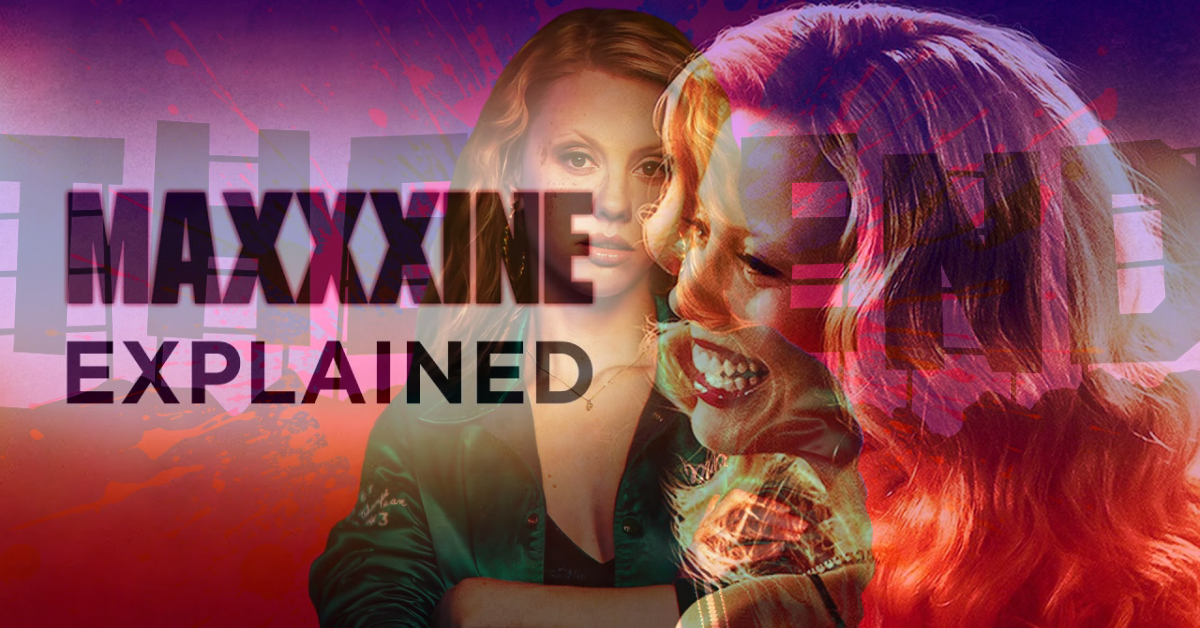
Hollywood has always loved stories about ambition, reinvention, and obsession, but few modern horror trilogies explore those themes as viciously as MaXXXine. By the time the credits roll, the film leaves audiences somewhere between disturbed and emotionally fascinated. That reaction explains why “maxxxine ending explained” instantly became one of the biggest discussion topics among horror fans online.
Director Ti West didn’t simply finish a slasher trilogy. He delivered a brutal commentary on fame, exploitation, religious hypocrisy, and the emotional cost of becoming a star in America’s entertainment machine. The final act of MaXXXine feels intentionally chaotic at first glance, yet almost every violent moment carries symbolic meaning tied directly to Maxine’s journey across the trilogy.
Unlike traditional horror endings that focus only on survival, MaXXXine turns its climax into something darker and more psychological. Maxine doesn’t just defeat evil. She absorbs it, survives it, and ultimately becomes part of the same Hollywood system that destroyed countless people before her.
That layered storytelling is exactly why the phrase “maxxxine ending explained” exploded across Reddit, TikTok, YouTube breakdowns, and horror discussion forums shortly after the film’s release.
The Ending Feels Like a Hollywood Nightmare on Purpose

One reason audiences needed a “maxxxine ending explained” breakdown is because the movie intentionally blurs the line between reality, performance, trauma, and fantasy during its final stretch.
The climax throws Maxine into a collision between her past and her future. Throughout the movie, she tries desperately to reinvent herself as a legitimate Hollywood actress while simultaneously running from the violent legacy established in X. But the ending makes it painfully clear that the past never actually disappeared.
People can also read this: Pearl Movie Hidden Details That Completely Change the Way You Watch It
Ti West frames Hollywood itself as a kind of horror machine. Bright lights, movie sets, fame, auditions, and celebrity culture are presented almost like predatory forces feeding on vulnerable people. By the end of the film, Maxine finally realizes that survival in Hollywood requires becoming emotionally numb enough to embrace darkness rather than escape it.
That uncomfortable realization is what gives the ending its emotional weight.
Why the Killer Reveal Matters More Than the Violence
The killer reveal in MaXXXine shocked many viewers, although the deeper meaning behind it matters more than the actual reveal itself.
Without relying purely on gore or jump scares, the film connects Maxine’s trauma directly to religious extremism, shame, and media obsession. The movie suggests that Maxine has spent her entire life trying to escape control from people who wanted to define her identity for her.
Her father’s influence hangs over the entire story like a curse. Even when he isn’t physically present, his ideology continues shaping Maxine’s fears and decisions. That tension becomes central to understanding the film’s final scenes.
The movie cleverly mirrors the themes explored in Pearl. While Pearl desperately wanted fame but remained trapped by isolation and repression, Maxine actually reaches Hollywood. Yet the industry she enters proves equally destructive.
This parallel explains why horror fans immediately connected Pearl, X, and MaXXXine into one larger conversation about American ambition and performance culture.
Maxine’s Final Choice Changes the Entire Trilogy
A major reason people continue searching “maxxxine ending explained” is because Maxine’s final emotional transformation completely reframes the trilogy.
At the start of X, Maxine feels ambitious but still vulnerable. She believes fame will save her from mediocrity and emotional pain. By the ending of MaXXXine, that innocence is gone entirely.
People can also read this: https://storyvista.co.uk/mia-goth-net-worth/
What makes the conclusion so unsettling is that Maxine finally achieves the stardom she always wanted. But the victory feels emotionally hollow. The movie intentionally avoids giving audiences a comforting ending because the real horror lies in what Maxine had to become in order to survive.
The final scenes imply that Hollywood rewards people who can emotionally detach themselves from trauma and morality. Maxine succeeds precisely because she learns how to weaponize her pain instead of healing from it.
That idea resonates strongly with modern celebrity culture, where fame often depends on image manipulation, emotional performance, and public reinvention.
Mia Goth’s Performance Carries the Entire Ending
Any serious “maxxxine ending explained” discussion eventually returns to because her performance gives the ending its emotional complexity.
What makes Mia Goth so compelling throughout the trilogy is her ability to shift between vulnerability and terrifying confidence within seconds. In MaXXXine, she plays Maxine as someone constantly performing different versions of herself depending on the situation.
During the final confrontation, those masks begin collapsing. Fear, rage, trauma, and ambition all collide together. Rather than portraying Maxine as a traditional “final girl,” Mia Goth presents her as emotionally fractured and morally ambiguous.
People can also read this: Mia Goth Movies Ranked The Performances That Turned Her Into Modern Horror’s Most Fascinating Star
That ambiguity is exactly why audiences remain obsessed with the ending. Maxine survives, but viewers are left questioning whether survival actually equals victory.
Social media reactions praised Mia Goth’s performance almost immediately after release, with many horror fans comparing her modern genre impact to legendary scream queens from earlier decades.
The Religious Symbolism Hidden Throughout the Finale
One detail many casual viewers missed involves the heavy religious symbolism embedded throughout the film’s ending.
Religious imagery appears constantly during the climax, reinforcing the idea that Maxine’s life has always been shaped by shame, control, and public judgment. Her father represents a particularly dangerous type of moral hypocrisy — one obsessed with controlling female identity while hiding personal corruption beneath religious performance.
The film repeatedly contrasts Hollywood and religion as two systems built around spectacle. Both industries depend on image, manipulation, and performance. Both also create idols while simultaneously destroying people.
This symbolic connection becomes especially important during the final scenes, where Maxine essentially rejects moral purity entirely in exchange for survival and fame.
Ti West avoids simple good-versus-evil storytelling because MaXXXine is more interested in examining how systems of power emotionally consume individuals.
Why Horror Fans Connected So Deeply With the Ending
The online response surrounding “maxxxine ending explained” reveals how emotionally invested horror audiences became in Maxine’s journey.
Modern horror fans increasingly prefer psychologically layered stories instead of formulaic slashers. Films like Pearl, Hereditary, Midsommar, and Talk to Me succeeded because they blended emotional realism with disturbing imagery.
People can also read this: https://storyvista.co.uk/pearl-movie-hidden-details/
MaXXXine continues that trend by turning its violence into emotional commentary rather than empty spectacle.
TikTok discussions focused heavily on Maxine’s transformation across the trilogy. Reddit communities debated whether the ending represented empowerment or complete psychological corruption. YouTube film analysts explored connections between fame culture, exploitation cinema, and identity performance.
That level of discussion rarely happens around generic horror movies. It happens when audiences feel emotionally challenged by what they watched.
Hollywood Satire Plays a Bigger Role Than People Realize
Another important layer in any “maxxxine ending explained” analysis is the film’s satirical portrayal of Hollywood itself.
The movie constantly blurs entertainment and exploitation together. Auditions feel predatory. Fame feels transactional. Violence becomes entertainment both inside the movie and outside it.
Even Maxine’s ambition becomes complicated. The audience wants her to succeed because she survived horrific trauma, but the film also questions whether Hollywood success is actually worth the emotional destruction it requires.
This tension makes MaXXXine far more than a traditional horror sequel. It operates simultaneously as:
- a slasher movie
- a Hollywood satire
- a trauma story
- a celebrity culture critique
- a commentary on reinvention
That layered storytelling is part of why the trilogy developed such a passionate fanbase online.
The Ending Leaves Maxine Emotionally Isolated
One subtle but devastating aspect of the ending involves Maxine’s emotional isolation.
By the final scenes, she has essentially lost the ability to trust anyone fully. Fame may finally be within reach, but meaningful human connection feels completely absent from her life.
That loneliness mirrors Pearl’s emotional tragedy from earlier films. Both women desperately wanted recognition and escape, yet both became emotionally consumed by obsession.
The trilogy repeatedly suggests that America’s obsession with fame creates emotionally hollow people chasing validation through performance instead of genuine identity.
Maxine survives physically, but psychologically she appears trapped inside a permanent cycle of reinvention and emotional detachment.
Why the Final Shot Matters So Much
The final shot in MaXXXine sparked enormous discussion online because it visually summarizes the trilogy’s central message.
Without relying on excessive exposition, Ti West communicates that Maxine has finally become exactly what Hollywood wanted her to be: marketable, emotionally hardened, and capable of turning pain into spectacle.
The imagery feels triumphant and disturbing at the same time. That emotional contradiction is intentional.
Rather than celebrating fame uncritically, the movie asks viewers whether success achieved through trauma and emotional self-destruction can truly be called success at all.
That uncomfortable question lingers long after the credits end.
MaXXXine’s Ending Completes a Trilogy About Reinvention
Looking back across all three films, the “maxxxine ending explained” conversation ultimately centers on reinvention.
Pearl wanted escape from obscurity.
Maxine wanted escape from fear.
Hollywood offered both women a fantasy that ultimately consumed them emotionally.
The trilogy explores how American culture constantly encourages people to reinvent themselves for fame, attention, and success — even if that transformation destroys their humanity in the process.
Maxine’s final evolution feels tragic precisely because she finally achieves her dream.
And yet she no longer resembles the person who originally chased it.
Final Thoughts on MaXXXine Ending Explained
The brilliance of MaXXXine lies in how emotionally conflicted its ending feels. The film refuses easy answers, forcing audiences to wrestle with uncomfortable questions about ambition, trauma, celebrity culture, and identity.
Rather than delivering a simple horror finale, Ti West created a disturbing reflection of Hollywood itself — glamorous on the surface, emotionally violent underneath.
For horror fans, the lasting power of “maxxxine ending explained” comes from that emotional complexity. The movie doesn’t simply ask whether Maxine survives.
It asks what survival costs.
And by the final frame, the answer feels genuinely haunting.
FAQs
What does the ending of MaXXXine mean?
The ending symbolizes Maxine fully embracing Hollywood’s brutal survival mentality while emotionally distancing herself from her past trauma.
Who is the killer in MaXXXine?
The film connects the killer reveal to Maxine’s traumatic history, religious extremism, and unresolved emotional conflict.
Is MaXXXine connected to Pearl and X?
Yes. MaXXXine completes Ti West’s horror trilogy that began with X and continued through Pearl.
Why is Mia Goth’s performance praised so much?
Fans and critics praised Mia Goth for portraying Maxine with emotional intensity, vulnerability, and psychological complexity.
Does Maxine become famous at the end?
The ending strongly suggests that Maxine finally achieves the Hollywood recognition she always wanted, though the emotional cost is devastating.
Why are horror fans obsessed with MaXXXine?
The film combines psychological horror, Hollywood satire, emotional storytelling, and strong performances, creating deeper discussion beyond typical slasher movies.
For more updates visit: STORY VISTA