Education systems across the world depend on accurate methods to measure student growth and learning progress. Schools, colleges, universities, and policymakers need clear data to understand whether students are meeting learning goals. This is where the concept of an academic performance indicator becomes highly valuable. It helps educators evaluate academic achievement, identify strengths, and improve weak areas through informed decisions.
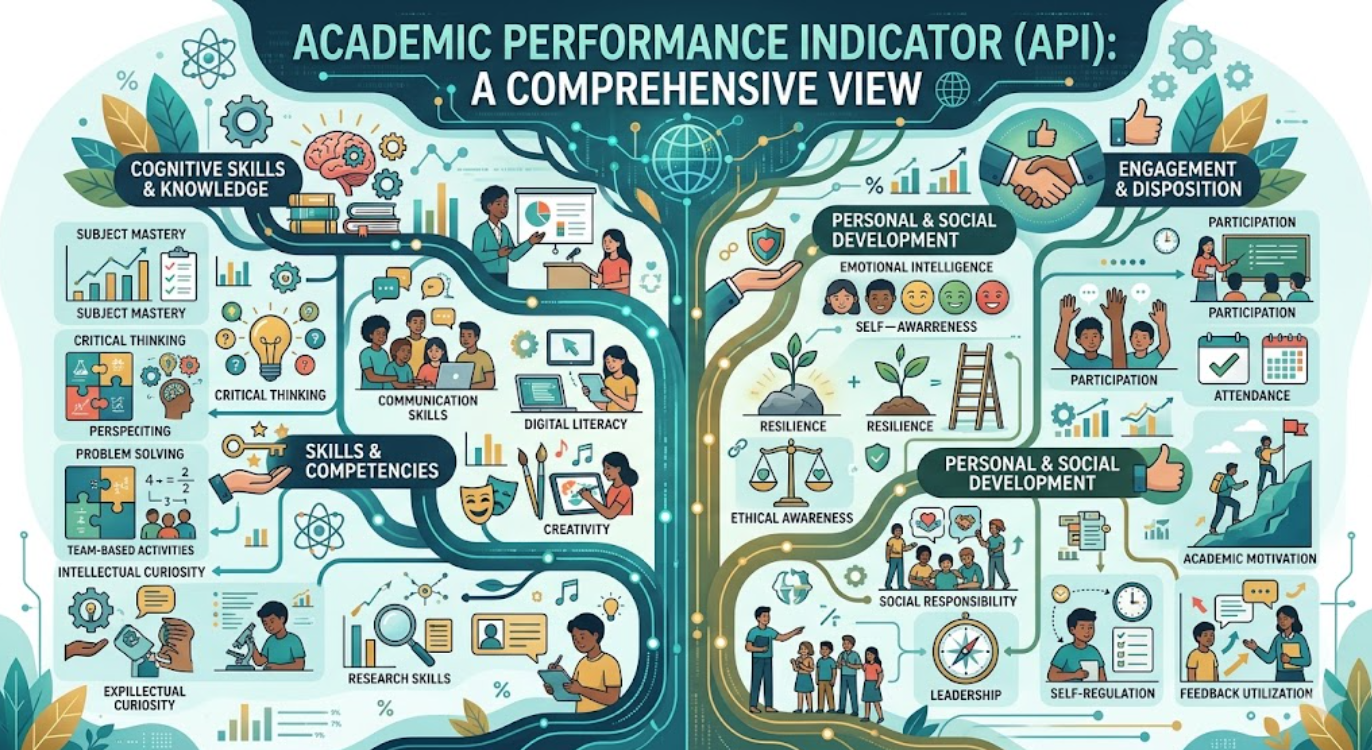
An academic performance indicator is more than just a score on an exam. It includes different measures such as grades, attendance, class participation, assignment completion, graduation rates, and skill development. These indicators provide a wider picture of how students perform in different learning environments.
As education becomes more competitive and data-driven, institutions are using modern tools to track student outcomes. Parents also want to know if their children are progressing academically. Understanding the role of an academic performance indicator can help students, teachers, and institutions achieve better educational results.
What Is an Academic Performance Indicator?
An academic performance indicator is a measurable standard used to evaluate a student’s learning progress, academic success, and educational outcomes. It helps determine whether students are meeting the expected standards in a course, program, or institution.
These indicators may include examination results, assignment grades, attendance records, participation levels, project outcomes, and overall GPA. In many institutions, these measurements are used to compare trends over time and identify areas that need improvement.
The purpose of an academic performance indicator is to create a reliable way to monitor growth. Instead of relying only on one final exam, institutions can use multiple indicators to create a balanced understanding of student performance.
Why Academic Performance Indicators Matter
Supporting Better Learning Outcomes
When teachers understand how students are performing, they can adjust teaching strategies. If a class struggles with mathematics or reading comprehension, educators can provide extra support. This improves outcomes and gives students a better chance of success.
Helping Students Stay on Track
Students who regularly review their progress become more aware of their strengths and weaknesses. An academic performance indicator allows them to focus on areas that need improvement while maintaining strengths.
Improving Institutional Quality
Schools and universities use performance data to evaluate their programs. If graduation rates are low or average scores decline, institutions can investigate the causes and implement changes.
Building Accountability
Educational accountability has become increasingly important. Governments, accreditation bodies, and parents often expect institutions to show measurable progress. Reliable indicators help meet these expectations.
Common Types of Academic Performance Indicators
Grade Point Average
GPA remains one of the most recognized measures of academic success. It combines performance across subjects and provides a quick overview of student achievement.
Examination Results
Tests and final exams are traditional forms of academic assessment. They measure subject understanding and mastery of course content.
Attendance Rate
Regular attendance strongly connects with student success. Studies often show that students who attend classes consistently perform better academically.
Assignment Completion
Homework, projects, and coursework completion indicate discipline, engagement, and understanding of the subject matter.
Classroom Participation
Students who actively participate in discussions often develop stronger communication skills and deeper understanding.
Graduation and Retention Rates
For institutions, retention and graduation rates are important indicators of long-term academic success.
How Schools Use Academic Performance Indicators
Schools collect data throughout the academic year. Teachers record marks, monitor participation, and observe progress. Administrators then analyze patterns to improve teaching quality and student support systems.
Also Read: Who is Kelly South: The Woman Behind Kid Rock’s Son
For example, if science scores drop across several classes, the school may review the curriculum or provide teacher training. If attendance decreases, counselors may contact families and offer guidance.
A strong academic performance indicator system helps schools move from assumptions to evidence-based action.
How Students Can Improve Academic Performance Indicators
Set Clear Academic Goals
Students perform better when they know what they want to achieve. Clear targets such as improving grades or increasing attendance create motivation.
Develop Consistent Study Habits
Daily study routines often lead to stronger academic outcomes than last-minute preparation. Regular review helps retain information.
Manage Time Effectively
Time management reduces stress and improves productivity. Students who plan assignments and revision schedules usually perform better.
Seek Help Early
When students struggle with a subject, early support from teachers or tutors can prevent larger problems later.
Stay Physically and Mentally Healthy
Sleep, nutrition, and emotional well-being strongly affect learning capacity. Healthy students often show stronger academic performance.
Role of Teachers in Academic Performance Indicators
Teachers are central to improving student outcomes. They not only assess students but also guide learning and motivation. Effective teachers use classroom data to adapt lessons according to student needs.
If reading comprehension scores are low, a teacher may introduce interactive reading exercises. If mathematics performance falls, extra practice sessions may help. By responding quickly to indicators, teachers can create better learning environments.
A skilled educator understands that an academic performance indicator is not only about marks. It also reflects confidence, consistency, and progress.
Role of Parents in Student Academic Success
Parents have a major influence on educational achievement. Students often perform better when families show interest in learning.
Parents can help by creating a study-friendly environment at home, encouraging attendance, and discussing academic goals. Regular communication with teachers also helps identify issues early.
When parents understand an academic performance indicator, they can support children in practical and meaningful ways.
Technology and Academic Performance Indicators
Modern education increasingly depends on digital tools. Learning management systems now track attendance, assignments, quiz scores, and participation automatically.
Artificial intelligence can even predict students who may need extra support. For example, if a student misses classes and submits incomplete work, the system may alert teachers.
Technology makes each academic performance indicator easier to monitor, analyze, and improve. It also saves time for educators and administrators.
Challenges in Measuring Academic Performance
While indicators are useful, they also have limitations. A single test score may not reflect true ability. Some students perform poorly in exams despite strong understanding.
Socioeconomic background, access to resources, language barriers, and emotional stress can also influence results. This is why schools should use multiple forms of measurement instead of relying on one score.
A fair academic performance indicator system considers academic data alongside personal and environmental factors.
Best Practices for Using Academic Performance Indicators
Institutions should use clear and consistent standards. Students should understand how they are being measured. Feedback should be timely and constructive so learners know how to improve.
Indicators should focus on growth, not only comparison. A student who improves significantly deserves recognition even if they are not the highest scorer.
When used ethically, an academic performance indicator becomes a tool for development rather than pressure.
Future of Academic Performance Indicators
Education is changing rapidly. Employers now value communication, creativity, collaboration, and critical thinking alongside academic scores.
Future indicators may include soft skills, digital literacy, leadership, and real-world problem solving. Universities and schools are already exploring broader assessment models.
This means the future academic performance indicator will likely measure not only grades but overall readiness for life and career success.
Conclusion
An academic performance indicator is an essential tool for measuring student progress, institutional quality, and educational success. It helps teachers improve instruction, allows students to monitor growth, and gives parents valuable insight into learning outcomes.
Also Read: Tasyyblack Redefining Urban Fashion in the Digital Era
However, the best results come when indicators are used wisely. Grades and test scores matter, but they should be balanced with attendance, participation, skills, and personal development. Education is about growth, confidence, and preparation for the future.
As learning systems continue to evolve, the role of the academic performance indicator will become even more important. When used fairly and intelligently, it can guide students toward stronger achievement and lifelong success.
FAQs
What is an academic performance indicator?
An academic performance indicator is a measurable standard used to evaluate student learning progress and educational success.
Why is academic performance important?
Academic performance reflects how well students understand subjects and prepares them for future education and careers.
Can attendance affect academic performance?
Yes, regular attendance often leads to better understanding, stronger participation, and improved grades.
Are grades the only academic performance indicator?
No, attendance, assignments, participation, GPA, and graduation rates are also important indicators.
How can students improve academic performance?
Students can improve through consistent study habits, time management, healthy routines, and seeking help when needed.
For more updates visit: STORY VISTA