Quick Answer
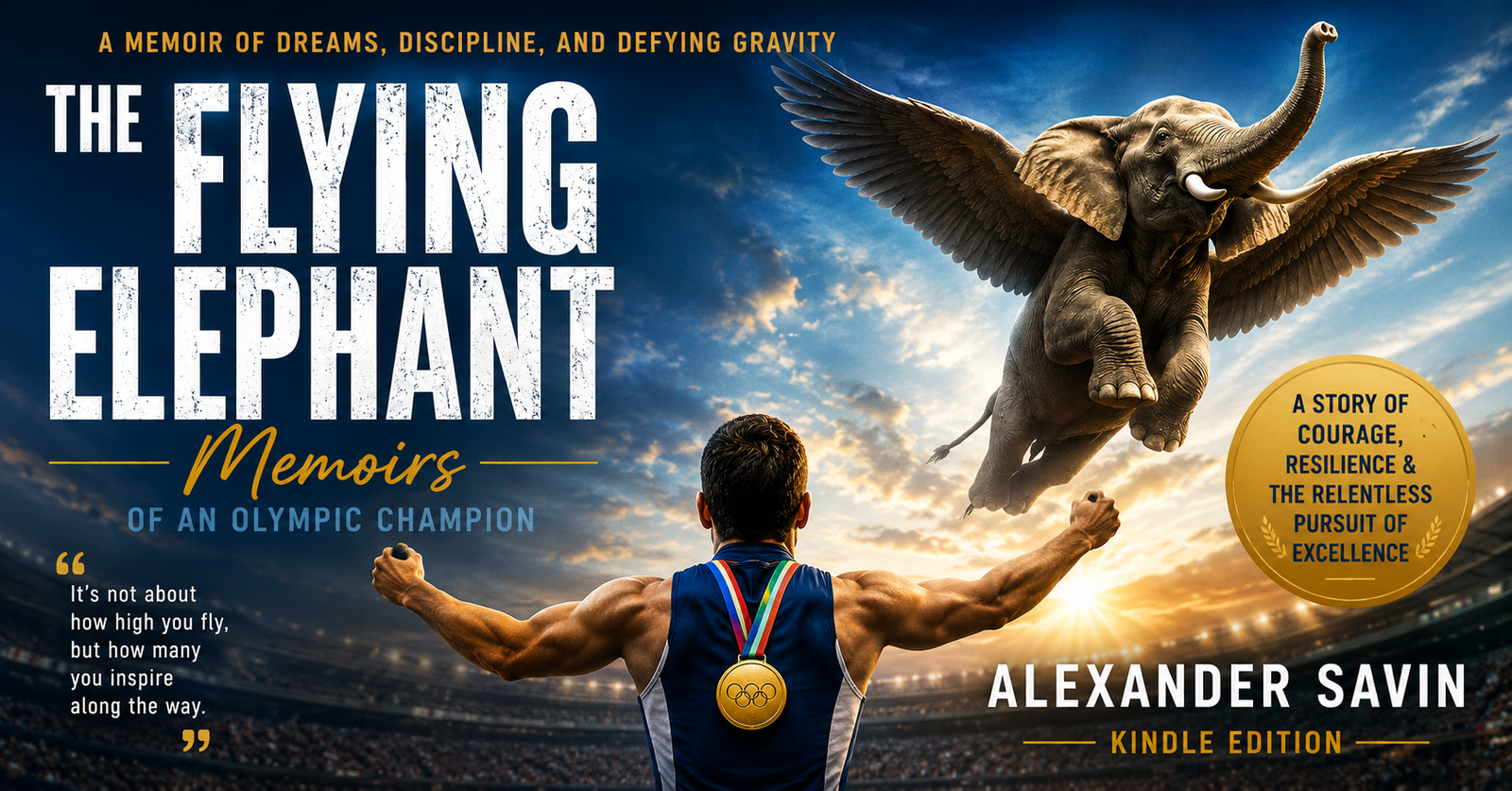
The Flying Elephant: Memoirs of an Olympic Champion is a 514-page Kindle memoir by 1980 Olympic gold medalist Alexander Savin, translated into English by his brother Andrei Savine. It covers his journey from young athlete to Soviet volleyball champion and later coach, focusing on discipline, teamwork, and the psychological cost of elite competition, and includes over 240 rare historical photographs.
Most sports memoirs open with a trophy. This one opens with a question: what does it actually cost to become the best in the world? The Flying Elephant: Memoirs of an Olympic Champion, the Kindle memoir by Soviet volleyball legend Alexander Savin, spends 514 pages answering that question honestly — and it’s why the book has quietly built a following among readers who are tired of highlight-reel autobiographies.
If you’ve landed here after searching for the flying elephant memoirs of an olympic champion kindle edition alexander savin, you’re probably trying to figure out three things: who Alexander Savin actually is, what the book covers, and whether the Kindle edition is worth your time. Here’s a straight answer to all three, based on the book’s own listing details and what early readers consistently point out.
Who Is Alexander Savin?
Alexander Savin is a Soviet and Russian former volleyball middle blocker, born on July 1, 1957 in Taganrog, a city in Russia’s Rostov region. He competed for the Soviet Union at two Olympic Games: the 1976 Montreal Olympics, where he won silver playing all five matches, and the 1980 Moscow Olympics, where he returned four years later to win gold playing all six matches.
His national team career didn’t end there. He played for the Soviet national team from 1975 to 1986, and that longevity is part of why he’s remembered as one of the sport’s most complete players. He’s also a member of the International Volleyball Hall of Fame and is widely considered one of the best middle blockers the sport has produced.
Where the “Flying Elephant” Nickname Comes From
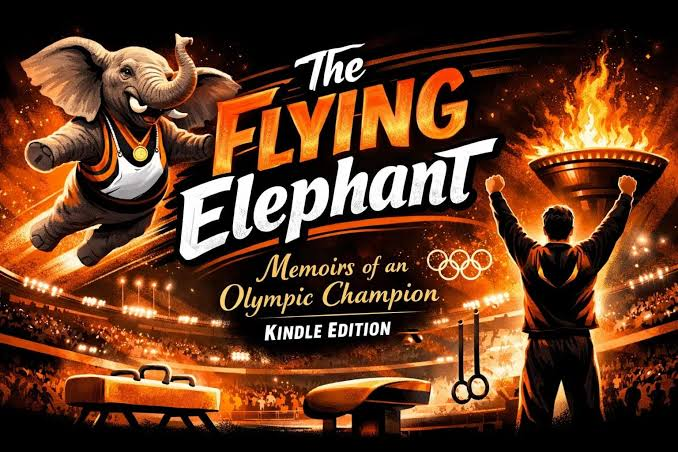
The title isn’t a metaphor invented for the book — it’s the nickname that followed Savin through his entire career. According to the memoir’s background material, an Italian sports publication, La Gazzetta dello Sport, gave him the name because of the striking contrast between his size and his agility on the court. He stood tall with an unusually long reach, yet moved and jumped with a lightness that didn’t match his frame — the kind of athlete who looked almost too big to be that graceful, and too graceful to be that big.
What Is The Book Actually About?
This is the part most reviews skip past too quickly. The Flying Elephant is not a chronological highlight reel of matches won and medals collected. The book follows Savin’s full arc — from his early years as a young athlete, through the demanding training culture at CSKA Moscow and the USSR national program, into his Olympic career, and finally into his later work as a coach and mentor.
What sets it apart from typical athlete autobiographies is where it puts its attention. Instead of leading with victory, the memoir leans into:
- Discipline and repetition — the grinding, often unglamorous training routines that actually built Olympic-level performance, not just talent
- Team dynamics — how trust and shared sacrifice held together a roster that dominated international volleyball from the late 1970s into the early 1980s
- Athlete identity — what it means to define yourself beyond the sport once the pressure, the crowds, and the expectations become constant
- The transition to coaching — reflections on shifting from competing at the top to shaping the next generation of players
- Forgotten teammates — portraits of coaches and players from that era who never got their due in Western sports media
Readers who’ve gone through it describe the tone as restrained rather than boastful. The book doesn’t constantly ask for admiration; it earns attention gradually through reflection and honesty about doubt and pressure, which is a fairly unusual choice for an Olympic champion’s memoir.
Kindle Edition: What You’re Actually Getting
Here’s the practical breakdown for anyone deciding whether to buy the Kindle version specifically.
| Detail | Information |
|---|---|
| Format | Kindle eBook (also available in other formats) |
| Length | 514 pages |
| Author | Alexander Savin |
| Editor/Translator | Andrei Savine (Savin’s brother) |
| Additional contributors | Julia Savine (editor), Peter Murphy (introduction), Alfredo Cabero (translator) |
| Photographs | Over 240 rare images from private family collections and public archives |
| Kindle Unlimited | Free with membership in some regions — check eligibility before buying |
| File size | Roughly 68.8 MB, so a stable WiFi connection helps for downloading |
| Devices | Kindle e-readers, phones, tablets, and computers via the Kindle app |
The English translation exists because of a genuine family effort. It was made possible through a project led by Andrei Savine, Alexander Savin’s brother, which explains why the narrative voice throughout reads as personal and first-person rather than polished and ghostwritten. That detail matters if you care about authenticity — this isn’t a corporate sports-brand memoir; it’s closer to a family archive turned into a public record.
The Photographs Are a Real Selling Point
Over 240 photographs sourced from private family collections and public archives, spanning roughly five decades of volleyball history, set this memoir apart from most Kindle sports autobiographies, which are often text-only. For readers interested in the visual history of Soviet-era sport — training camps, championship moments, and candid shots of teammates — this is one of the more substantial photographic records of that period available in English.
Is It Worth Reading? A Balanced Take
No memoir is for everyone, and it’s worth being upfront about who will and won’t get the most from this one.
You’ll likely enjoy it if:
- You want a sports memoir that treats mental pressure and sacrifice as seriously as it treats victory
- You’re interested in Soviet-era sports history and the training culture behind it
- You appreciate first-person, unpolished storytelling over ghostwritten highlight reels
- You’re a volleyball fan curious about the CSKA Moscow and USSR national team era
It may not be for you if:
- You want a fast-paced, plot-driven read — this is reflective and paced more slowly
- You’re looking primarily for match-by-match statistics and play analysis rather than personal reflection
- You prefer physical books for annotating; while Kindle allows highlights and notes, some readers still prefer paper for long-form memoirs
One honest limitation worth noting: because this is a translated, family-produced project rather than a major publishing house release, formatting and pacing may feel slightly different from a traditionally edited celebrity memoir. That’s not necessarily a downside — many readers find it adds to the authenticity — but it’s a fair thing to expect going in.
FAQs
Is The Flying Elephant available on Kindle Unlimited?
In some regions, yes — the book is included with Kindle Unlimited membership. Availability depends on your country, so check your Amazon store before assuming it’s free.
How long is the Kindle edition?
The English Kindle edition runs 514 pages and covers Savin’s life from early athletics through his Olympic career and his later coaching work.
Who translated the book into English?
Andrei Savine, Alexander Savin’s brother, led the translation project, with Julia Savine as editor, Peter Murphy writing the introduction, and Alfredo Cabero as an additional translator.
Is this book only about volleyball?
While volleyball and Savin’s Olympic career form the backbone of the story, the memoir spends significant time on broader themes — identity, discipline, sacrifice, and life after elite competition — that don’t require prior interest in the sport to appreciate.
What Olympic medals did Alexander Savin win?
He won a silver medal at the 1976 Montreal Olympics and a gold medal at the 1980 Moscow Olympics, both with the Soviet Union men’s volleyball team.
Where does the nickname “Flying Elephant” come from?
It was given to Savin by the Italian sports publication La Gazzetta dello Sport, referring to the contrast between his large frame and his unusually agile, graceful play on the court.