You feel fine. The adrenaline is still pumping, the car is dented, and you’re already thinking about insurance forms and rides home. Then, two days later, your neck won’t turn and your head won’t stop pounding.
This is one of the most confusing parts of any collision. An auto accident injury doesn’t always show up the moment it happens. Sometimes it waits. And that delay is exactly why so many people end up with pain that could have been caught, documented, and treated early.
This guide walks through the most common injuries after a car accident, why symptoms get delayed, what doctors typically look for, and how to protect both your health and your claim if you decide to pursue one.
What Counts as an Auto Accident Injury?

An auto accident injury is any physical or psychological harm caused by the sudden force of a vehicle collision. That includes obvious things like broken bones and cuts, but also injuries that are much harder to see: nerve damage, whiplash, concussions, and emotional trauma.
The severity has less to do with how the car looks and more to do with how the body absorbed the impact. A fender-bender at 15 mph can still snap the neck forward and back hard enough to cause lasting soft tissue damage, while a crumpled bumper doesn’t always mean a serious injury underneath.
Why Symptoms Don’t Always Show Up Right Away
During a crash, the body releases a rush of adrenaline and cortisol. These hormones are useful in the moment — they dull pain and sharpen focus — but they also mask injury signs that would otherwise be obvious.
Inflammation is the other factor. Soft tissue, joints, and nerves often don’t swell until hours or even a day or two after the impact, which is when pain, stiffness, and reduced range of motion tend to set in.
Also Read: Adenoidid A Complete Guide to Causes, Symptoms, and Treatment
This is why medical professionals generally recommend a check-up within 24 to 72 hours of any collision, even if you feel okay. It creates a medical record that ties your condition to the crash, and it catches problems before they get worse.
Common Types of Auto Accident Injuries

Whiplash and Neck Injuries
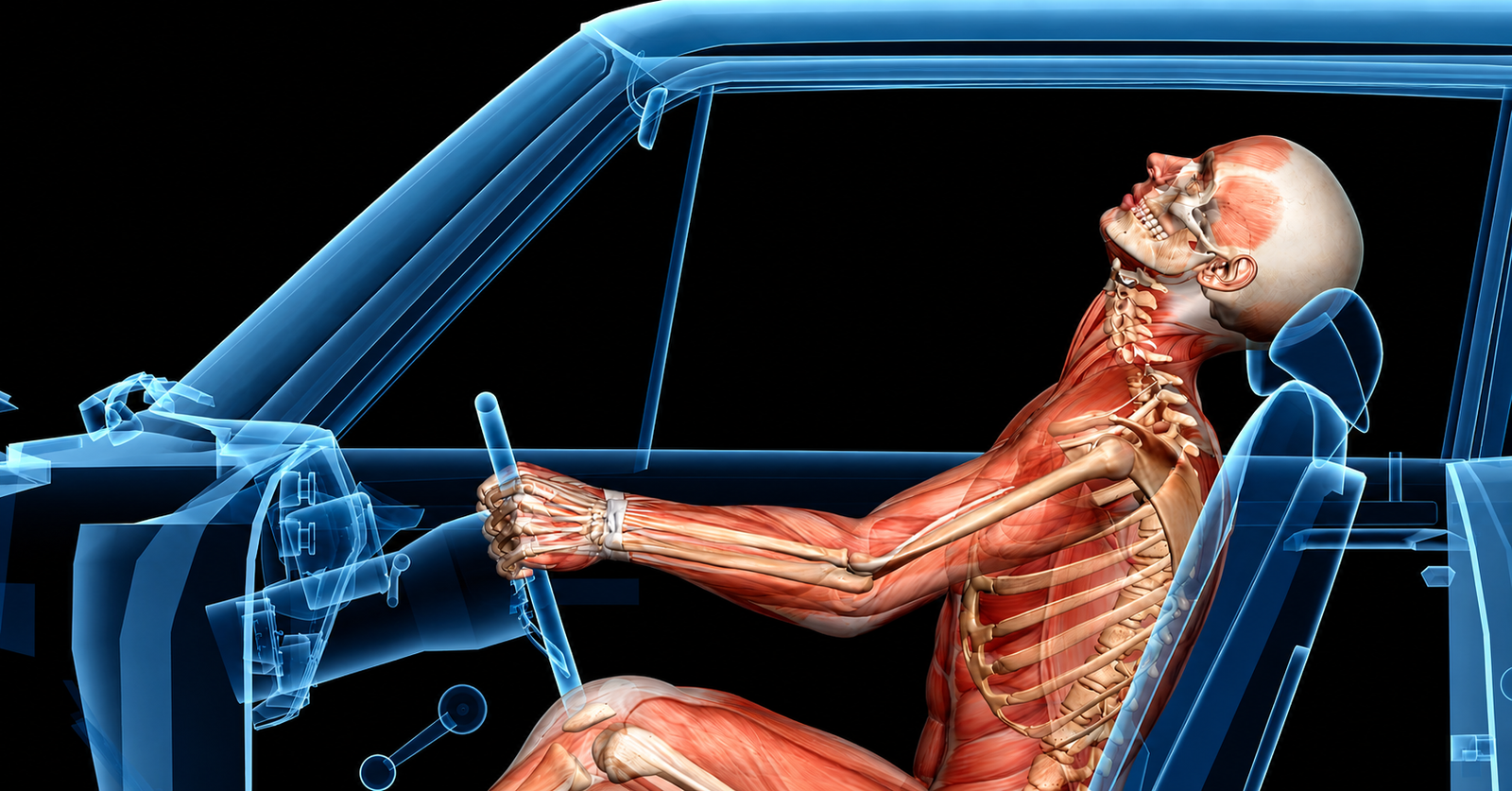
Whiplash happens when the head snaps forward and back faster than the neck muscles can control, typically in rear-end collisions. Symptoms include neck stiffness, reduced range of motion, headaches, and pain that radiates into the shoulders. Most cases improve with rest, physical therapy, and anti-inflammatory care within a few weeks, though some linger for months.
Back and Spinal Injuries
The spine absorbs enormous force during a collision. This can lead to muscle strains, herniated discs, compression fractures, or in serious cases, spinal cord damage. Warning signs include radiating pain, tingling in the arms or legs, and weakness or numbness in the limbs — all signs that a nerve may be involved and shouldn’t be ignored.
Head Injuries and Concussions
Hitting the steering wheel, window, or headrest — or even a sharp jolt without direct contact — can cause a concussion. Symptoms include confusion, dizziness, sensitivity to light, memory problems, and headaches that develop over the following days. Because concussions don’t always involve visible injury, they’re one of the most commonly missed diagnoses after a crash.
Broken Bones and Fractures
Ribs, wrists, collarbones, and legs are frequently fractured in collisions, especially when a person braces against the wheel or dashboard. Fractures range from small hairline cracks to breaks requiring surgical repair, and pain may be delayed if the area is numbed by shock.
Soft Tissue Injuries
Sprains, strains, and bruising are the most common auto accident injury overall. They affect muscles, tendons, and ligaments rather than bone, and while usually less severe, they can still cause weeks of pain and limited mobility if untreated.
Internal and Chest Injuries
Seatbelts and airbags save lives, but the force they apply can bruise or injure the chest, ribs, and internal organs. Internal bleeding is particularly dangerous because it isn’t visible from the outside. Abdominal pain, swelling, lightheadedness, or shortness of breath after a crash should always be treated as an emergency.
Psychological and Emotional Trauma
Physical injuries aren’t the only outcome of a serious crash. Anxiety, sleep disruption, and post-traumatic stress are common, particularly after high-impact collisions. These symptoms are real and can affect daily life just as much as a physical injury, yet they’re often overlooked because they don’t show up on an X-ray.
Auto Accident Injuries at a Glance
| Injury Type | Common Symptoms | Typical Onset |
|---|---|---|
| Whiplash | Neck stiffness, headaches, limited motion | Hours to 2 days |
| Back/Spinal | Radiating pain, numbness, weakness | Hours to days |
| Concussion | Confusion, dizziness, light sensitivity | Minutes to weeks |
| Fractures | Swelling, deformity, sharp pain | Immediate to hours |
| Soft tissue | Bruising, soreness, reduced mobility | Hours to 2 days |
| Internal injury | Abdominal pain, faintness, swelling | Minutes to hours |
| Emotional trauma | Anxiety, flashbacks, sleep issues | Days to weeks |
What to Do Immediately After a Crash
- Call for medical help if anyone is seriously hurt, even if it seems minor at first.
- Get checked by a doctor within a few days, regardless of how you feel.
- Write down your symptoms as they appear, including dates.
- Photograph visible injuries and vehicle damage.
- Keep every medical bill, prescription, and follow-up record.
- Avoid gaps in treatment — inconsistent care can raise questions later about how serious the injury really was.
When an Auto Accident Injury Needs Emergency Care

Certain symptoms should never wait for a scheduled appointment. Seek emergency care right away if you notice:
- Loss of consciousness, even briefly
- Severe or worsening headache
- Numbness, tingling, or weakness in the limbs
- Difficulty breathing or chest pain
- Abdominal pain or visible swelling
- Confusion, slurred speech, or trouble concentrating
These can point to internal bleeding, spinal injury, or brain trauma — conditions where early treatment makes a real difference in outcome.
Recovery Timelines: What’s Realistic
Recovery depends heavily on the type and severity of the injury, general health, and how quickly treatment starts. Minor soft tissue injuries often improve within four to six weeks. Fractures typically take six to twelve weeks to heal, longer if surgery is involved. Concussions can resolve within days but sometimes produce lingering symptoms for months. Spinal injuries and psychological trauma vary the most and may require ongoing therapy.
There’s no single timeline that fits everyone, and it’s worth being cautious of anything that promises a fixed recovery date. Bodies heal at different speeds, and pushing too hard too soon is one of the most common reasons minor injuries turn into chronic ones.
Should You Talk to a Lawyer?
Not every accident needs legal involvement, especially if damage and injury are minor and insurance covers the costs without dispute. But legal guidance is generally worth considering if:
- Injuries required emergency care, surgery, or ongoing treatment
- The insurance company is disputing fault or downplaying your injury
- You’ve missed work or expect long-term medical costs
- Symptoms appeared days after the accident and your claim is being questioned as a result
A consultation is usually free, and it can clarify whether your documentation supports a fair settlement before you agree to anything with an insurer.
Conclusion
An auto accident injury rarely announces itself clearly in the first hour. Adrenaline hides pain, inflammation takes time to build, and some of the most serious conditions — from concussions to internal bleeding — can look deceptively mild at first glance. The safest approach is simple: get checked soon after any collision, take new or worsening symptoms seriously, and keep a clear record of what you experience. Whether your case ends with a quick recovery or a longer road involving therapy and legal support, early attention is what protects both your health and your options going forward.
Also Read: Mental Health Quotes Powerful Words for Healing, Hope, and Inner Strength
FAQs
How long after a car accident can injuries appear?
Most delayed symptoms show up within 24 to 72 hours, though some, like psychological trauma or nerve-related pain, can take days to weeks to fully develop.
Is it normal to feel fine right after a crash but hurt later?
Adrenaline and shock commonly mask pain immediately after impact, which is why a medical check-up soon after the accident is recommended even without obvious injury.
What is the most common auto accident injury?
Soft tissue injuries, including whiplash, sprains, and strains, are the most frequently reported injuries in car accidents of all severities.
Do I need an X-ray or MRI after a minor accident?
Not always, but if you have pain, numbness, dizziness, or reduced range of motion, imaging can rule out fractures, disc injuries, or internal damage that aren’t visible externally.
Can emotional trauma from a car accident be treated?
Anxiety, sleep disturbances, and post-traumatic stress after a crash respond well to therapy, and early support tends to lead to a smoother recovery.
What should I do if my symptoms get worse over time?
Return to your doctor immediately, document the change, and inform anyone handling your insurance claim, since worsening symptoms can indicate a more serious underlying injury.