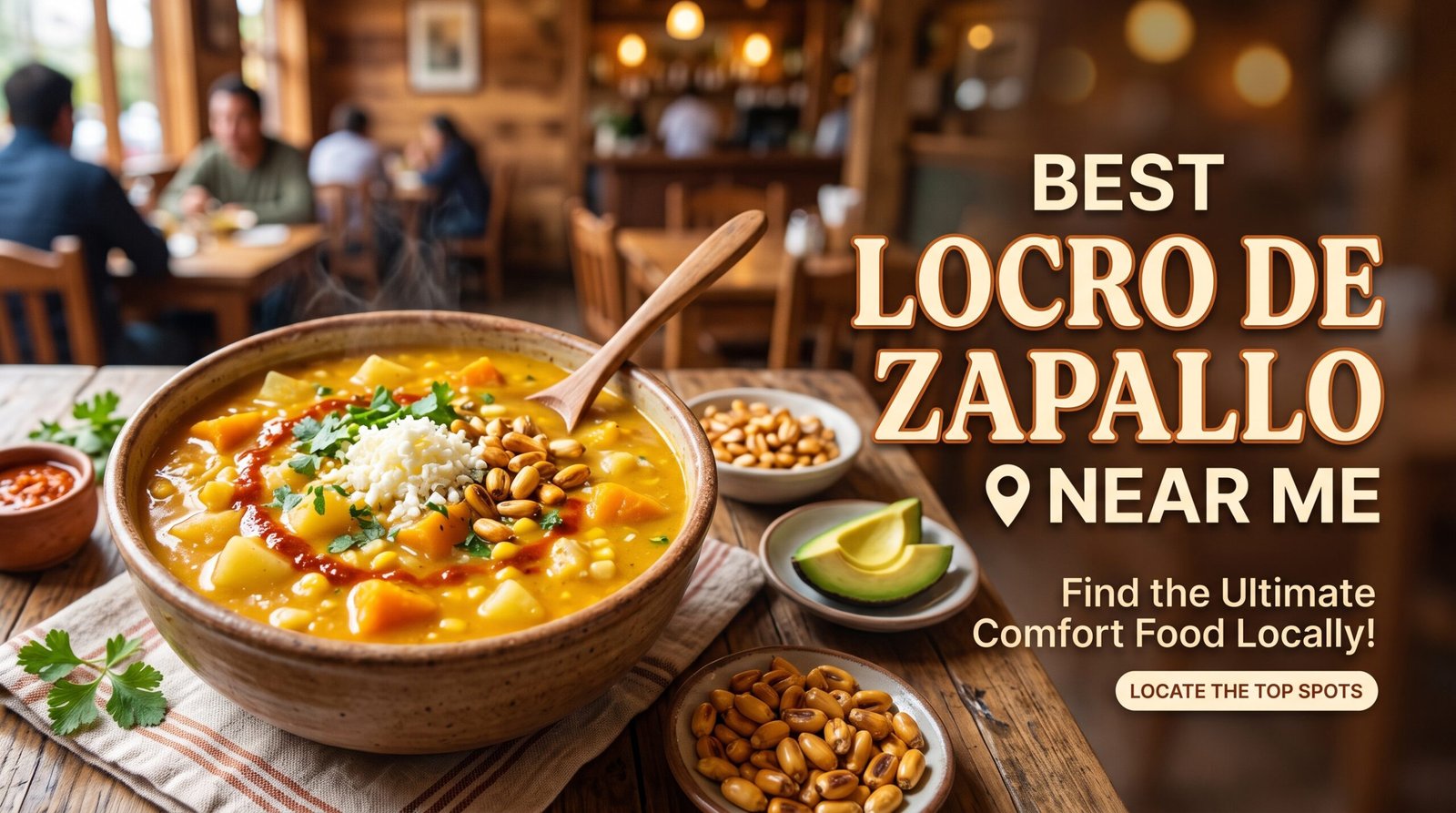
If you have ever caught a whiff of sautéed garlic, onions, and ají amarillo drift out of a Peruvian kitchen, you know that South American comfort food hits differently. While ceviche and lomo saltado usually steal the global spotlight, ask any true Peruvian what tastes like a warm hug on a cold night, and they will give you a one-word answer: locro.
Searching for the best locro de zapallo near me often feels like a treasure hunt. Unlike street-food staples, this traditional Andean pumpkin and squash stew is a homemade treasure. When authentic local kitchens get it right, it delivers an unforgettable blend of velvety squash, tender potatoes, sweet choclo (giant Andean corn), salty queso fresco, and a subtle kick of yellow pepper.
Whether you are craving a steaming bowl at a local neighborhood bistro, looking to order takeout, or attempting to recreate that Peruvian magic in your own kitchen, here is everything you need to know about finding and enjoying authentic locro de zapallo.
What Is Locro de Zapallo?
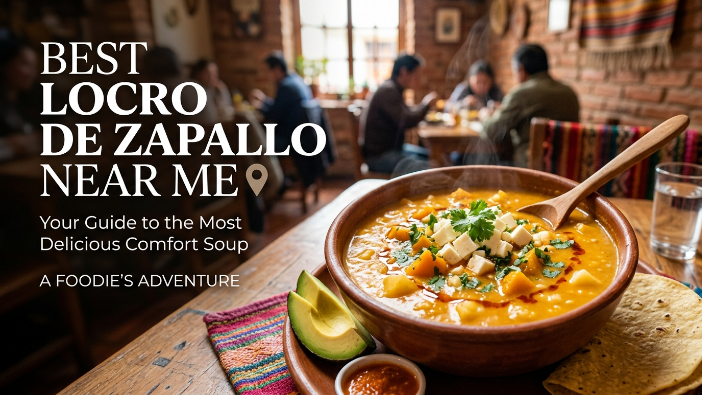
Rooted in pre-Inca history, the word locro comes from the Quechua term ruqru or luqru, referring to a hearty stew built around indigenous mountain vegetables.
Locro de zapallo centers on zapallo macre, a massive, sweet, and deeply flavorful squash native to South America. When simmered down with aromatics, it breaks into a thick, golden sauce that coats hearty chunks of potatoes, peas, and choclo.
The dish gained its modern profile during the colonial era, when cooks began finishing the stew with evaporated milk (Leche Gloria) and crumbled queso fresco. The result is a creamy, sweet, savory, and mildly spicy comfort dish served alongside steamy white rice and a fried egg or plantains.
Traditional Locro Component Profile
├── Base: Zapallo Macre (or Kabocha / Butternut)
├── Heat & Aromatics: Ají Amarillo, Garlic, Red Onion
├── Structure: Andean Potatoes & Choclo (Giant Corn)
├── Creaminess: Evaporated Milk & Queso Fresco
└── Fragrance: Fresh Cilantro or Huacatay (Black Mint)
Key Markers of an Authentic Peruvian Spot
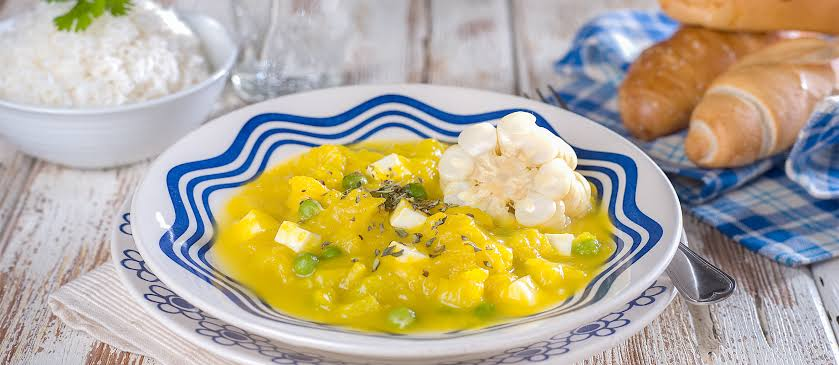
When scanning local menus or map apps for the best locro de zapallo near me, keep in mind that not all Latin American stews are created equal. Ecuador and Argentina have their own versions of locro, but Peruvian locro de zapallo has distinct culinary signatures:
- The Right Squash Texture: The stew should never look like a pureed soup. Authentic locro features soft, melting squash that creates a thick cream while still holding small, soft chunks.
- Real Ají Amarillo: The base must feature ají amarillo, Peru’s famous yellow chili pepper. It provides a fruit-forward warmth rather than overwhelming burn.
- Chewy Choclo Kernels: Standard sweet canned corn will not cut it. Genuine spots use choclo, the large-kernel, starchy Peruvian corn that gives each bite a satisfying chew.
- A Hint of Huacatay: Traditional Andean cooks often flavor the oil with huacatay (black mint paste). It adds a subtle herbal depth with notes of mint, basil, and citrus.
Pro Tip: Look for family-run Peruvian spots that feature a Menu del Día (Daily Special). Because locro takes time to simmer slowly, traditional restaurants often serve it on specific weekdays as a lunch feature.
READ MORE: Pioneer Woman’s Dutch Oven Beef Stew The Comfort Food Recipe You Need This Season
How to Spot the Best Local Spots
Finding top-tier South American stews nearby comes down to checking a few key details:
| Search Method | What to Look For | Red Flags |
| Peruvian Bakery/Bistros | Menus listing traditional daily soups (sopas y guisos) | Generic “Mexican & South American” catch-all menus |
| Review Keyword Searches | Mentions of “homemade,” “choclo,” or “just like Lima” | Reviews complaining that the soup is “watery” or “bland” |
| In-House Grocery Delis | Latin markets with small kitchen counters serving hot lunches | Buffets where delicate queso fresco sits under heat lamps |
What to Pair with Your Bowl
In Peru, locro de zapallo is rarely eaten in isolation. It is traditionally served as a complete, comforting meal with specific side items:
- Garlicky White Rice: Placed right next to or beneath the stew to absorb the golden, creamy sauce.
- Fried Egg (Huevo Frito): A crispy-edged fried egg with a runny yolk elevates the creaminess of the squash.
- Fried Sweet Plantains (Plátanos Fritos): The caramelized sweetness of fried plantains balances the salty, fresh cheese.
- Sautéed Beef or Shrimp (Optional): While naturally vegetarian, upscale Peruvian spots sometimes top the stew with grilled anticuchos (beef heart skewers), seared beef tenderloin, or garlic butter shrimp tails.
Can’t Find One Nearby? How to Make It at Home
If there are no Peruvian eateries in your neighborhood, you can easily make an authentic bowl at home in under 45 minutes. The trick lies in choosing the right local substitutes for hard-to-find Andean ingredients.
Ingredient Substitution Guide
├── Zapallo Macre ──> Kabocha Squash or Butternut Squash
├── Fresh Ají Amarillo ──> Jarred Ají Amarillo Paste (found in international aisles)
├── Choclo ──> Frozen Peruvian Choclo or Sweet White Corn
└── Queso Fresco ──> Mild Feta, Cotija, or Queso Blanco
Quick Home Method:
- Sauté diced red onion, minced garlic, and 2 tablespoons of ají amarillo paste in oil until fragrant.
- Add cubed Kabocha squash and peeled yellow potatoes. Pour in just enough vegetable or chicken broth to cover the bottom half.
- Cover and simmer for 20 minutes until the squash collapses and thickens the broth.
- Stir in cooked choclo kernels, green peas, a splash of unsweetened evaporated milk, and cubed queso fresco.
- Turn off the heat, let the cheese warm slightly without completely melting, and serve over hot white rice.
The Verdict: A Hidden Culinary Gem
Finding the best locro de zapallo near me is one of the most rewarding comfort-food searches you can take on. It is a dish that bridges ancient Andean agricultural traditions with vibrant home-cooked flavors. The next time you spot a local Peruvian restaurant, skip the usual orders and ask if they have locro bubbling in the back—your taste buds will thank you.
READ MORE: Korean Porridge Near Me Find Juk & Love Every Bite
FAQs
Is locro de zapallo vegetarian or vegan?
Traditionally, locro de zapallo is a vegetarian dish made with squash, potatoes, corn, evaporated milk, and queso fresco. To make it completely vegan, you can swap the dairy for coconut milk or unsweetened oat milk and leave out the cheese.
What does locro de zapallo taste like?
It has a unique savory-sweet flavor profile. The natural sweetness of the squash balances the subtle fruitiness and mild heat of ají amarillo, while the milk and queso fresco give it a rich, creamy finish.
What kind of squash is best if I am making it myself?
If you cannot find South American zapallo macre, Kabocha squash is the absolute best substitute because of its dense, sweet, dark-orange flesh. Butternut squash or sugar pie pumpkin also work well.
Is locro de zapallo spicy?
Not typically. While it uses ají amarillo pepper paste for depth and signature golden color, the addition of potatoes, squash, and milk mellows out the heat, leaving just a mild, warming spice.
For more updates visit: STORY VISTA